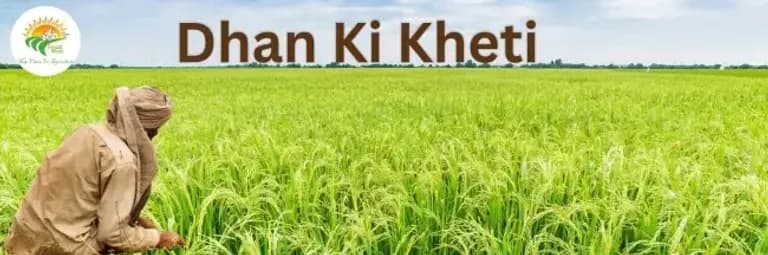
Paddy, or rice, is one of the most important cereal crops in the world, especially in Asian countries like India, China, Bangladesh, and Indonesia. For millions of farmers, paddy farming is not only a source of income but also a way of life. As climate patterns change and farming costs rise, adopting modern and efficient methods has become essential. This article provides a clear and practical overview of paddy farming, covering the key steps from land preparation to harvesting.
1. Climate and Soil Requirements
Paddy thrives in warm and humid conditions.
- Temperature: 20–35°C
- Rainfall: 100–150 cm
- Soil: Clayey or loamy soil is ideal because it holds water for a longer time.
Since rice plants need continuous moisture, proper water management plays a crucial role. Fields that can retain water give the best results.
2. Field Preparation
Healthy crops start with well-prepared fields. Farmers should plough the field thoroughly to break soil clods and make the land soft. A level field ensures that water spreads evenly, helping all plants grow uniformly. Building strong bunds around the field prevents water from flowing out. Adding organic manure such as compost or cow dung during the first ploughing improves soil fertility and supports strong root development.
3. Seed Selection and Transplanting
Choosing the right seed variety is one of the most important steps. Good-quality seeds result in higher yield and better resistance to pests and diseases. Before sowing, the seeds should be treated to protect them from fungal infections.
Transplanting
Farmers usually transplant seedlings when they are 25–30 days old. Maintaining proper spacing—about 20 × 15 cm—ensures that each plant gets enough sunlight, nutrients, and space to grow.
4. Irrigation and Water Management
Paddy is a water-loving crop, but modern studies show that too much water can weaken plants.
- Maintain 2–5 cm standing water during early growth.
- Ensure there is no water shortage during flowering and grain-filling stages.
- Drain excess water before harvesting to improve grain quality.
Efficient water management saves water, reduces cost, and increases yield.
5. Fertilizers, Pests, and Weed Control
Balanced fertilization is essential for good growth.
- Nitrogen: Improves leaf growth
- Phosphorus: Strengthens roots
- Potassium: Enhances disease resistance
Using organic fertilizers improves soil health in the long run.
Weed Control
Weeds compete with rice plants for nutrients.
- First weeding: 20–25 days after transplanting
- Second weeding: 40–45 days
Pest & Disease Management
Common issues include stem borer, leaf folder, rice blast, and brown spot. Timely spray, seed treatment, and keeping the field clean help prevent major damage.
6. Harvesting and Storage
Harvesting is done when 80–90% of the grains turn golden. Harvesting too early or too late can reduce grain quality. After harvesting, the grains must be dried properly under sunlight to remove moisture. Well-dried grains stay safe during storage and do not get spoiled easily.
Conclusion
Paddy farming is labor-intensive but highly rewarding. By selecting better seed varieties, using balanced fertilizers, managing water efficiently, and following modern farming techniques, farmers can achieve higher production at a lower cost. These practices not only increase yield but also protect soil health and ensure long-term sustainability. With the right knowledge and timely action, paddy farming can become more profitable and eco-friendly for future generations.